While Parkinson’s and dementia diagnoses can bring challenges, quality of life can still flourish with the proper support. Thoughtful care strategies, structured routines, and specialized activities can make a meaningful difference. At The Atrium at Navesink Harbor, we provide personalized care along with a full spectrum of senior care services—including skilled nursing, senior rehabilitation, and Home Care services. These services are delivered with attention to the individual and in a way that gives residents the freedom to enjoy life as they choose.
This blog is a practical, actionable guide for families and senior caregivers on ways to support someone living with Parkinson’s or dementia.
Creating Supportive Daily Routines
Consistency is important when it comes to both dementia and Parkinson’s care. Structured routines and schedules help to reduce anxiety and support medication schedules. Below are a few ways to support daily routines.
Parkinson’s care tips:
- Time activities with medication doses to improve effectiveness.
- Schedule physical therapy exercises that can help improve mobility, strength, and balance, ultimately allowing the individual to remain independent.
- Plan rest periods to help manage fatigue.
Dementia caregiver tips:
- Establish predictable meal times so the individual is not thrown off by meals.
- Maintain familiar morning and evening routines to help reduce decision fatigue.
- Use visual schedules or cues to indicate the passing of time throughout the day.
As a caregiver for someone living with Parkinson’s or dementia, it’s essential to understand the balance between structure and flexibility. This depends on each person’s energy levels and environment. Environments can also be adapted to promote safety and independence, such as making clear pathways, improving lighting, labeling drawers, and adding grab bars. Creating a routine is a crucial part of supporting a loved one living with dementia or Parkinson’s.
Activities That Promote Comfort and Independence
There are a number of activities that can promote independence and comfort among individuals living with Parkinson’s or dementia. Some activities include the following:
Physical Activities
For Parkinson’s specifically, individuals can try gentle exercises such as Tai Chi, walking programs, or stretching. Other activities, such as adapted fitness that maintains mobility and music and movement therapy, are effective ways to encourage individuals to engage in physical activity.
Cognitive Engagement
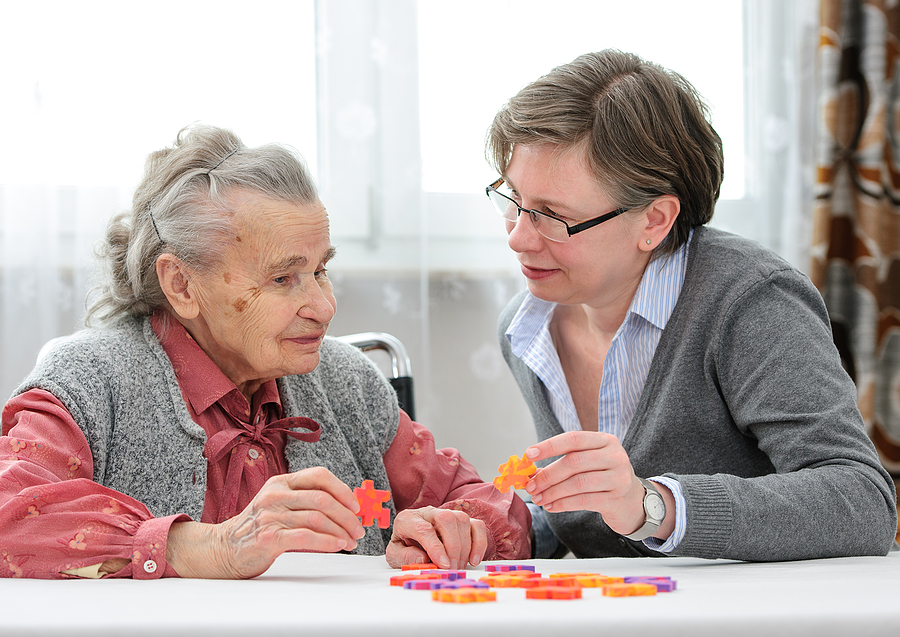
Cognitive and memory-supportive activities, such as reminiscence therapy, puzzle work, and music programs, are crucial because they build and strengthen the brain’s cognitive reserve.
Social Connection
Creating social connections through various programs and activities can help a person living with Parkinson’s or dementia by stimulating brain function, maintaining or improving cognitive abilities such as memory and attention, and enhancing overall quality of life. These include group activities tailored to ability levels, intergenerational programs, pet therapy, and maintaining meaningful relationships can help build
Personalizing activities to each individual’s interests and capabilities is an integral part of helping the individual feel comfortable and maintaining independence. These therapy practices are different than entertainment as they are purposeful and beneficial to an individual living with Parkinson’s or dementia. As a Parkinson’s or dementia caregiver, continue to encourage autonomy in each individual’s routine while providing support as necessary.
Practical Tips for Caregivers
Caring for a parent or loved one with Parkinson’s or dementia can be both challenging and rewarding. Below we’ve listed some tips for caregivers:
Tips for Parkinson’s Caregivers:
- Recognize motor and non-motor symptoms, including tremors, rigidity, sleep issues, and depression
- Understand “on-off” periods with medication
- Communicate strategies as speech abilities may change
- Work on fall prevention and safe mobility techniques
- Introduce adaptive equipment, such as walkers or eating utensils, if applicable
Tips for Dementia Caregivers:
- Use efficient communication techniques, like simple sentences, repetition, and validation
- Manage behavioral changes and sundowning
- Create a calm environment that reduces confusion
- Utilize memory aids and environmental cues as applicable
- Redirect rather than correct a mistake
If you are a loved one but also acting as the senior caregiver, take care of yourself too, as this will help the person you are caring for. Understand when it might be time to seek additional support. This could involve exploring respite care, joining support groups, or setting boundaries.
Resources and Next Steps
Many assisted living communities offer comprehensive Parkinson’s care and memory support programs. These programs provide on-site therapy, personalized activity plans, medication management, and secure environments.
Check out the resources below to learn more about Parkinson’s and dementia:
Researching memory care communities can be the first step toward finding the perfect place for your parent or loved one. These communities are designed with your loved one in mind, enabling them to get the most out of every day. Learn more about the personalized care programs offered at The Atrium at Navesink Harbor. Contact us to start the conversation today.